Teaching Portfolio.
Fourth Year Design Studio, Kadir Has University, Department of Industrial Design Contemporary Crafts Studio: Thinking with Hands
Undergraduate Design Studios, 2024-2025, (in collaboration with Designer Can Yalman)


Introduction
The ontological and epistemological perspectives on craft provide us with an understanding of the production of knowledge. Knowledge, whether as the antecedent of the craft practice or the product of it, is crucial for innovation. Knowledge and skills are to be considered independent variables and exogenous drivers of economic innovation and rising productivity. According to the Creative Economy Report (2013) arts and crafts are the only creative industries where developing countries have acquired a leading position in the global market. Crafts are both tangible and intangible cultural heritage due to their material end-results and their skills-based production process which is fed by culture. The effects of industrialization and globalization on the value perception of cultural artefacts and crafts have been accepted as critical issues since the boost in mass consumption.
On the other hand, in today's rapidly evolving market, the fusion of sustainability and desirability is paramount. This project challenges students to design and craft an object that not only captivates as an object of desire but is also sellable in the contemporary market. By leveraging a variety of materials and crafting processes, students will explore the balance between crafts skill, aesthetics, functionality, and sustainability.
Objectives
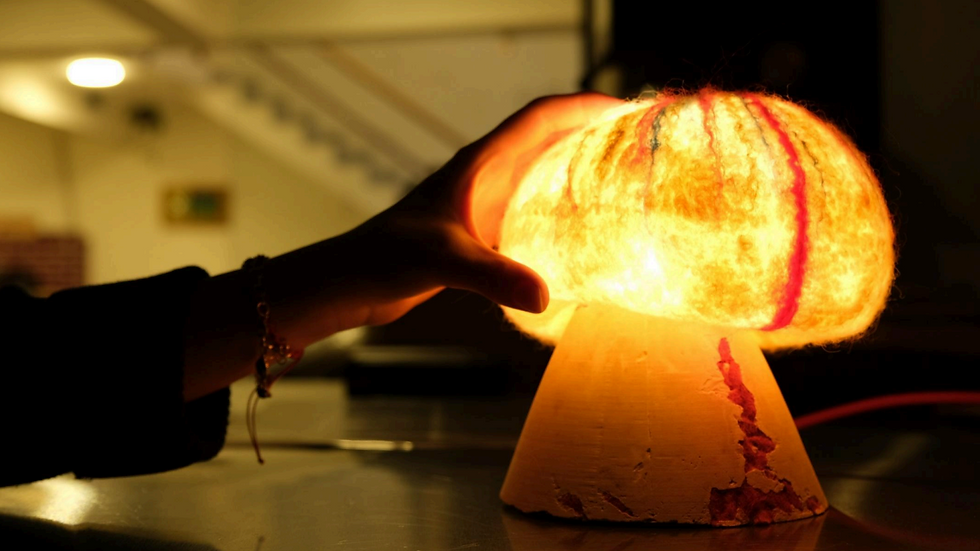
Students are tasked with designing and creating a crafted object that embodies both aesthetic appeal and market potential. The project emphasizes the use of readily available materials such as glass, leather, metals, marble, foam, ceramics, and more. Additionally, students are encouraged to incorporate found readymade objects and innovative material combinations. Emphasis is placed on sustainability through the recycling and repurposing of materials like foam from production scraps, quarry scraps, fishing nets, textiles etc. but still not limited to this list.
Creative Design: Develop a unique and marketable crafted object using a combination of diverse materials and processes explained in detail below.
Sustainability: Incorporate recycled or repurposed materials, demonstrating eco-friendly design practices as well as a socially responsible business model.
Technical Proficiency: Utilize various manufacturing techniques to produce a high-quality finished product. The final outcome of the project will be the product in focus.
Market Viability: Ensure the designed object meets market standards for desirability and saleability.
Innovation: The end-product, the manufacturing process and the socially engaging business model shall be evaluated as part of innovation model in the progress.